
What is the Difference between Weight Loss And Weight Gain: Key Facts Revealed
Are you confused about the difference between weight loss and weight gain? You’re not alone.
Understanding how these two processes work can help you take control of your health and body. Whether you want to shed a few pounds or put on some muscle, knowing what drives weight loss and weight gain is key. Keep reading to discover the simple facts that can change the way you approach your fitness goals—and why getting this right matters more than you think.

Credit: idealfaceandbody.com
Causes Of Weight Loss And Gain
The causes of weight loss and gain vary widely among individuals. Understanding these causes helps people manage their body weight better. Weight changes depend on several key factors that affect how the body uses and stores energy.
Some causes lead to weight loss, while others cause weight gain. Knowing these helps create balanced habits for a healthy life.
Metabolic Factors
Metabolism is the rate at which the body burns calories. A fast metabolism burns more calories, leading to weight loss. A slow metabolism burns fewer calories, causing weight gain. Hormones like thyroid hormones and insulin also affect metabolism. Illness or stress can change metabolic rates too. Each person’s metabolism is unique and can change over time.
Dietary Influences
What you eat impacts your weight greatly. Eating fewer calories than the body needs causes weight loss. Eating more calories than the body burns leads to weight gain. The quality of food matters too. Foods high in sugar and fat often cause weight gain. Balanced meals with fruits, vegetables, and proteins support healthy weight. Portion size and meal timing also play important roles.
Physical Activity Impact
Physical activity helps burn calories and build muscle. Regular exercise supports weight loss and prevents weight gain. Sedentary lifestyles often cause weight gain. Even small amounts of daily movement make a difference. Strength training increases muscle, which boosts metabolism. Consistency in physical activity is key for managing weight.
Health Implications
Health implications of weight loss and weight gain affect the body in many ways. Both can change how the body works and influence overall wellness. Understanding these effects helps to manage health better.
Effects Of Weight Loss
Weight loss can improve heart health by lowering blood pressure and cholesterol. It often reduces the risk of diabetes and certain cancers. Losing weight may increase energy and improve sleep quality. It can also relieve joint pain and boost mobility. However, sudden or extreme weight loss might cause muscle loss and fatigue. Proper nutrition is important to avoid weakness and maintain strength.
Effects Of Weight Gain
Weight gain increases the risk of heart disease and high blood pressure. It can lead to type 2 diabetes and breathing problems. Extra weight puts stress on joints, causing pain and arthritis. It may lower energy levels and affect mood negatively. Gaining weight often impacts self-esteem and mental health. Controlling weight gain with healthy habits helps protect the body and mind.
Strategies To Manage Weight
Managing weight means balancing the food you eat and the energy you use. Different goals need different plans. Weight loss and weight gain require careful strategies. Knowing the right methods helps you reach your target safely. Both goals need good habits and smart choices.
Here are simple and effective ways to manage your weight. These methods support your body and help keep you healthy. Focus on steady progress, not quick fixes. Small steps can lead to big results.
Effective Weight Loss Methods
Eat smaller portions with more fruits and vegetables. Choose whole grains over processed foods. Drink plenty of water to stay full and hydrated. Exercise regularly, including walking, running, or cycling. Aim for at least 30 minutes of activity daily. Avoid sugary drinks and high-fat snacks. Track your meals to understand your eating habits. Get enough sleep to support your metabolism. Manage stress with relaxation techniques or hobbies. These steps help burn fat and improve health.
Safe Weight Gain Techniques
Eat more calories than your body burns each day. Focus on nutrient-rich foods like nuts, dairy, and lean meats. Add healthy snacks between meals, such as yogurt or fruit smoothies. Strength training helps build muscle and boosts weight gain. Avoid junk food that adds fat but no nutrition. Eat balanced meals with protein, carbs, and healthy fats. Stay consistent with meal timing to support steady growth. Rest well to allow muscle recovery and growth. Consult a doctor if you struggle to gain weight safely.
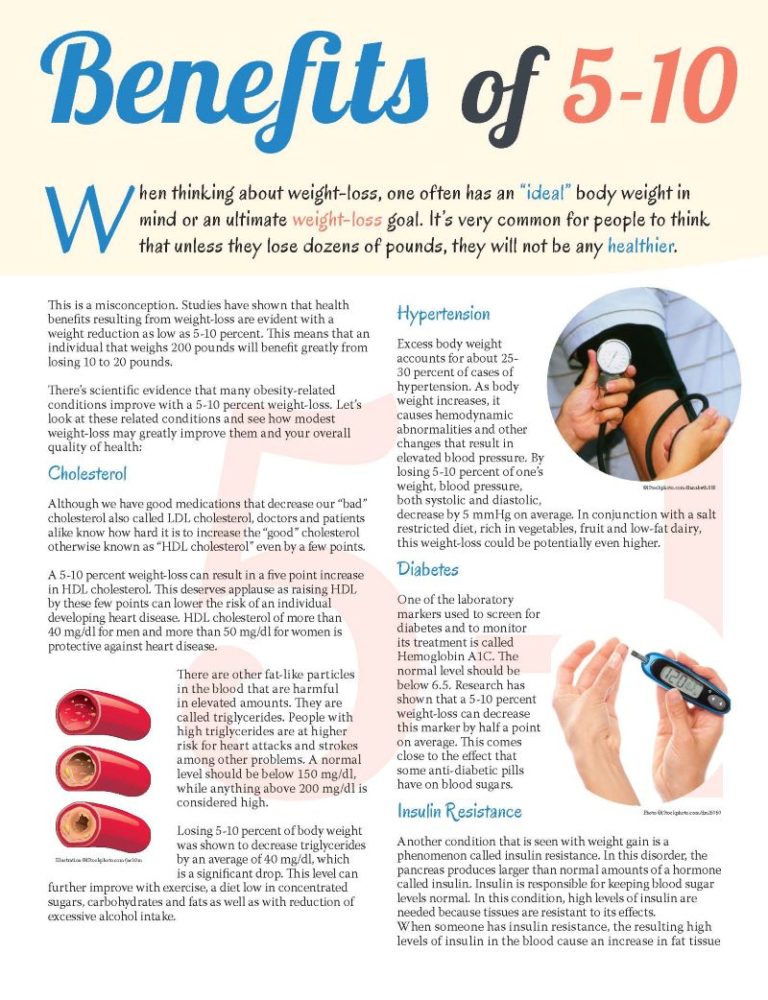
Credit: www.obesityaction.org

Credit: www.drbolling.com
Frequently Asked Questions
What Causes Weight Loss And Weight Gain Differences?
Weight loss happens when the body burns more calories than eaten. Weight gain occurs when calorie intake exceeds calories burned. Both depend on diet, exercise, and metabolism.
How Do Diet Changes Affect Weight Loss And Gain?
Eating fewer calories than the body needs leads to weight loss. Eating more calories than used results in weight gain. Food quality also impacts these changes.
Can Exercise Influence Weight Loss And Weight Gain?
Exercise helps burn calories, aiding weight loss. Lack of activity can cause weight gain. Muscle building also affects body weight and shape.
Why Is Understanding Weight Loss And Gain Important?
Knowing the difference helps set realistic health goals. It guides better diet and exercise choices. This understanding supports long-term healthy habits.
Conclusion
Weight loss means burning more calories than you eat. Weight gain happens when you eat more than you burn. Both affect your body in different ways. Knowing the difference helps you choose the right habits. Balance and consistency are key to managing your weight.
Small changes in diet and exercise can make a big difference. Stay patient and focused on your health goals. Your body will respond with time and care. Understanding these basics helps you make smart choices every day.